Cutting your commute without giving up the Peninsula lifestyle is possible when you buy near Caltrain. If you work in San Francisco or the South Bay, living close to a station can save you time every day while keeping you connected to restaurants, parks, and services. In this guide, you’ll see which San Mateo County neighborhoods line up best with Caltrain, what housing you can expect, and the trade-offs to plan for. Let’s dive in.
What “Caltrain-friendly” means for buyers
Caltrain-friendly neighborhoods give you an easy path to the tracks. That can mean a short walk from a condo or townhome, a quick bike or scooter ride from a single-family street, or a station-adjacent mixed-use area with newer buildings. The closer you are, the more you’ll see multiunit housing and active street life.
You’ll balance three main trade-offs as you shop:
- Price: Homes closest to stations often carry a premium.
- Inventory: Condos and townhomes are more common near stations than single-family homes.
- First/last-mile options: Walkability, bike routes, shuttles, and parking vary by station.
If a short walk is non-negotiable, focus on condo and townhome communities. If you want a single-family home, plan for a short bike, scooter, or shuttle link to the station.
Station-by-station guide (north to south)
South San Francisco
You get the northern entry to the county with a mix of residential streets and biotech employment. Close to downtown, you’ll find some newer condo projects, with older apartments and smaller single-family homes in nearby neighborhoods.
Expect more affordable options compared with central Peninsula cities. Condo and multifamily homes are more common near the station, while single-family inventory sits a bit farther out. Commutes to downtown San Francisco are short, and local job centers are close.
First/last-mile support includes walkability near downtown, SamTrans bus connections, and variable bike lanes. If you plan to drive to the station, confirm parking rules and permit availability.
San Bruno
San Bruno’s station sits near retail corridors and the Tanforan area, with convenient proximity to SFO. Housing near the station includes apartment complexes, townhomes, and single-family neighborhoods a short distance away.
Pricing tends to sit below Burlingame and Redwood City. You’ll see more multifamily inventory close to the station. Caltrain works well for San Francisco commutes, and SFO access is a bonus for frequent travelers.
Local buses and bike routes help with the last mile. Check station parking policies if you plan to park and ride.
Millbrae
Millbrae is an intermodal hub that connects Caltrain, BART, and SamTrans, with a rail link to SFO. You’ll find condos and single-family homes nearby, plus some mid-rise residential close to the station.
Inventory is mixed. Condos can provide more accessible entry points, while single-family prices trend higher due to location and other local factors. Commute options are strong for both San Francisco and South Bay, and BART opens up the East Bay.
Walkability around the station is solid. Parking is limited and managed, so confirm your strategy for daily access.
Burlingame
Burlingame’s downtown station anchors a highly walkable retail corridor. Housing ranges from walk-up condos and townhomes near downtown to larger single-family homes in surrounding neighborhoods.
Pricing runs higher than many Peninsula markets. If you prioritize transit convenience, condos and townhomes near the station are often your best entry. Caltrain offers quick rides north and south, supported by local bus and bicycle infrastructure.
Station parking is limited. If you want to walk daily, focus your search within a 5 to 15-minute walk radius of downtown.
San Mateo (Downtown, Hayward Park, and Hillsdale)
San Mateo offers multiple stations that serve different parts of town. Hillsdale places you next to a major retail node at Hillsdale Shopping Center, while downtown and Hayward Park offer their own mix of residential and commercial blocks.
You’ll see a broad range of housing. Condos and townhomes cluster near stations and shopping, while single-family neighborhoods cover much of the city. Prices vary widely. Hillsdale and other station areas have seen interest in mixed-use development, which can shift inventory cycles over time.
Multiple stations give you flexibility to align commute time with budget. Bus and shuttle options are good, walkability is strong near commercial nodes, and bike infrastructure is present in several corridors.
Belmont
Belmont’s station serves a smaller, neighborhood-oriented area with a walkable downtown strip. Housing includes single-family homes on the hills and flats, with small multiunit properties closer to the station.
Prices trend mid to upper for the Peninsula, and condo inventory near the station is relatively limited. Townhomes and condos are less common than in Burlingame or Redwood City.
Caltrain access works for both San Francisco and South Bay commutes. Shorter walks to everyday amenities are a plus for station-area residents.
San Carlos
San Carlos pairs a main street environment with its downtown station. You’ll find single-family neighborhoods within a short distance, along with pockets of condo and townhome options near the retail corridor.
Prices sit in the mid to upper range for the Peninsula. Condo inventory near the station is compact but meaningful, and single-family homes closer to the tracks are scarce.
Walkability is a major selling point, and Caltrain provides reliable access north and south for commuters.
Redwood City
Redwood City features one of the Peninsula’s larger downtowns and a growing employment base. Station-adjacent blocks include newer mid-rise condos and townhomes, while older single-family neighborhoods sit farther out.
Pricing and inventory vary. Downtown often offers relatively more condo options, with single-family homes commanding higher prices beyond the core. Activity can run hot here due to job growth and redevelopment.
First/last-mile support is strong. You’ll see robust walkability, bike routes, and a network of employer shuttles and local buses.
Atherton
Atherton’s station has had historically limited service, and the town itself is very low density. Housing consists mostly of large-lot single-family estates with very few multiunit properties.
Inventory and pricing rank among the highest on the Peninsula. If you plan to rely on Caltrain, verify current service patterns before you decide.
Most residents depend on private vehicle access. If Caltrain is essential for your commute, consider nearby stations in Menlo Park or Redwood City.
Menlo Park
Menlo Park’s station sits next to a walkable downtown and close to major employment hubs in Menlo Park and nearby Palo Alto. Housing includes single-family neighborhoods, townhomes, and some older apartment buildings.
Prices are in the higher tier for the Peninsula. For transit-focused buyers, condos and townhomes near the station can be the most direct path to a short walk.
Biking and shuttle connections are common for tech commuters. Caltrain offers strong service north to San Francisco and south to the Silicon Valley corridor.
Practical considerations before you buy
Make sure the daily routine works for you beyond just “distance to the station.” Use this checklist as you tour neighborhoods and properties near Caltrain.
- Commute schedule: Check local versus express service and the peak/off-peak times you plan to ride. Confirm if your target station is served by faster trains.
- First/last-mile plan: Decide whether you will walk, bike, scooter, or use a shuttle. Look for protected bike lanes, safe crossings, and sidewalk quality on your route.
- Parking and permits: Station parking is often limited or managed. Research permit systems, time limits, and paid lots.
- Station amenities: Shelters, ticket machines, lighting, and real-time displays can improve daily comfort. Confirm ADA access if needed.
- Safety and comfort: Visit the station area at the times you plan to commute. Check lighting and general activity early morning and late evening.
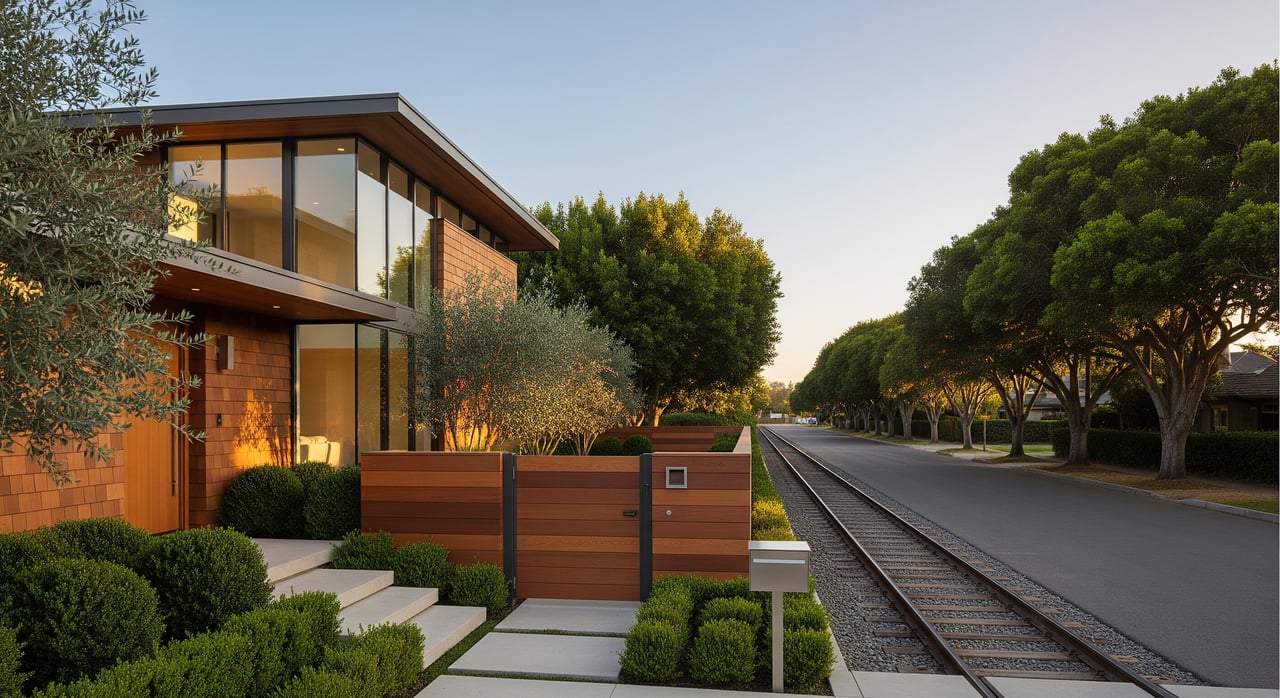
- Noise and vibration: Homes next to tracks can have more rail noise. Consider distance, sound walls, and property insulation.
- HOA and carrying costs: Condos and townhomes often include HOA fees. Add property taxes, possible Mello-Roos in newer developments, and parking permit costs to your budget.
- Future changes: Station-area plans and mixed-use projects can bring new housing and retail but may add construction impacts in the short term. Review city planning updates.
How to shortlist your top stations
You can move from browsing to focused shopping with a simple process.
Map your commute. Identify the three stations that minimize your ride time in both directions. Note whether express trains stop there during your commute hours.
Pick your housing type. If you want a short walk, focus on condos and townhomes within a half mile of your target station. If you need a single-family home, widen your radius to a short bike or shuttle ride.
Set your budget bands. Use your lender pre-approval to bracket a comfortable range. Remember to include HOA fees and parking permits in your monthly estimate.
Scan current inventory. Look for 3 to 5 active listings per station area that match your housing type and budget. Track days on market and recent price adjustments.
Visit at commute times. Walk your route to the station at peak hours. If you plan to drive, test parking. If you plan to bike or scooter, confirm route safety.
Re-rank and repeat. Narrow to one or two stations that give you the best mix of commute, housing fit, and price.
When you want a house and a fast commute
If a single-family home is a must, your best strategy is to think in first/last-mile terms. Expand your search to blocks that sit within a 5 to 15-minute bike or shuttle ride. This gives you more options at a wider range of prices while keeping your total door-to-door time practical.
Stations with strong shuttle networks and bike access can make this trade-off feel seamless. Aligning your route with protected lanes, safe crossings, and reliable station parking can keep your commute smooth without sacrificing space at home.
Final take
San Mateo County gives you a spectrum of Caltrain-oriented lifestyles, from downtown walk-ups to quiet single-family streets within a quick ride of the station. The right fit balances your commute, housing type, and budget with the first/last-mile plan that works for your daily routine. If you want help narrowing your choices and touring homes that keep your commute simple, reach out to Cj Salazar Real Estate to schedule a free consultation.
FAQs
Which San Mateo County stations offer the fastest rides to San Francisco?
- Stations served by limited or express trains typically provide the quickest trips; confirm current stop patterns and peak schedules before you buy.
Are condos or townhomes near Caltrain a better value than houses?
- Condos and townhomes often deliver the shortest walk and more inventory near stations, while single-family homes close to the tracks are scarce and priced at a premium.
How competitive is inventory near popular stations like Burlingame or Redwood City?
- These areas can be competitive due to strong demand; track active listings and days on market in real time to spot opportunities.
What should I know about parking if I plan to drive to the station?
- Many stations manage parking with permits, time limits, or paid lots; check rules, waitlists, and hours before you rely on a park-and-ride routine.
Should I be concerned about train noise when buying near the tracks?
- Expect more noise and vibration close to the corridor; evaluate distance from the tracks, any sound barriers, and the home’s insulation during showings.
How do I tell if a station aligns with my commute schedule?
- Review peak and off-peak timetables for your target stations and verify whether express services stop there during your planned travel times.