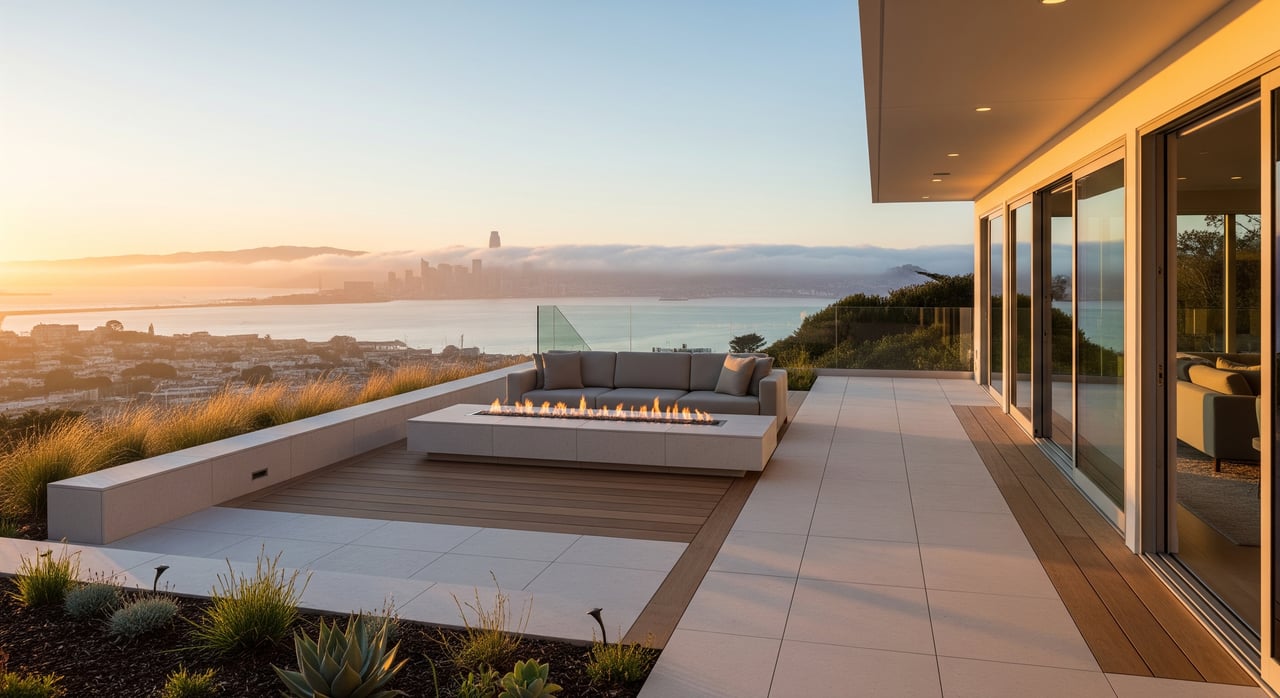
Is it chilly and foggy on one block but sunny just a few minutes away? If you are house hunting in San Francisco, that experience is common. Microclimates can change how a home feels day to day, how much you enjoy your yard, and even what you spend on maintenance. In this guide, you will learn where and why these differences happen, how to tour homes with microclimates in mind, and what to check before you make an offer. Let’s dive in.
Microclimate basics in San Francisco
A microclimate is a small area with weather that differs from nearby spots. In San Francisco, this can shift over a hill, a few blocks, or between sides of the city. You will notice changes in temperature, wind, fog, humidity, and sun exposure.
These differences matter. They shape daily comfort, outdoor living hours, gardening choices, and energy needs. They also affect moisture risk, materials wear, views, and solar potential. Defining your comfort preferences early will help you focus your search.
Why microclimates happen here
Ocean and marine layer
The Pacific Ocean and the cold California Current drive a cool marine layer. In summer, fog moves through the Golden Gate and other gaps, reaching some neighborhoods more than others. Coastal areas often see thicker fog and cooler air.
Hills, ridges, and elevation
Twin Peaks, Mount Davidson, Bernal Heights, Sutro, and other hills block wind and create rain shadows. Valleys and slopes on the sunny side of a ridge can be warmer and drier than areas just around the corner. Elevation changes produce sharp differences in temperature and wind.
Wind channels and gaps
Coastal gaps funnel cool air inland. Neighborhoods aligned with these corridors tend to be windier and cooler. Where buildings or hills shelter a block, it can feel calmer and warmer even when it is breezy nearby.
Orientation and seasons
South-facing and southeast-facing slopes get more direct sun in our hemisphere. North- and west-facing exposures are typically cooler and can hold more moisture. San Francisco’s warmest, clearest period often comes in early fall, while summer can be foggy near the coast.
How microclimates affect your search
Daily comfort and outdoor space
If you love dining outside or gardening, pay close attention to yard orientation and wind. South- and east-facing outdoor spaces are usually more comfortable. Fog, wind, and shade can limit how often you use decks and patios.
Energy, heating, and cooling
Air conditioning is less common in San Francisco than in many regions. Warmer inland neighborhoods may benefit from AC or ductless mini-splits, especially during heat waves. Cooler, foggier areas can need stronger heating and dehumidification, plus good insulation and double-pane windows.
Moisture, ventilation, and mold
Foggy and cool zones can run higher indoor humidity. In older homes with limited ventilation, you may see condensation or mildew. Look for effective exhaust fans, attic ventilation, and evidence of moisture control.
Materials and coastal maintenance
Near the ocean, wind and salt can wear on paint, metal fixtures, and exposed wood. Coastal properties often need more frequent exterior maintenance. Fences, decks, and landscaping should be selected for wind and salt tolerance.
Sunlight, views, and solar tradeoffs
South- and west-facing roofs can be strong solar candidates if they get direct sun. Coastal fog can reduce mid-day solar production in summer. Properties with dramatic coastal or Golden Gate views may also be windier and cooler, while sheltered, sunny slopes may feel more comfortable but come without those views.
Neighborhood patterns to know
Every block is different, so confirm on-site. These patterns are general and directional.
Outer Sunset and Outer Richmond
- Typical: Cool, often foggy and damp in summer, windy near the coast.
- Buyer focus: Insulation and mildew prevention, wind-tolerant plants, and regular exterior upkeep. South-facing yards and mid-afternoon sun pockets can be more usable.
Inner Sunset, Inner Richmond, Parkside
- Typical: Slightly warmer than the outer avenues, with microdifferences by block.
- Buyer focus: Orientation matters. South-facing lots and sheltered courtyards offer more comfortable outdoor time.
Marina, Cow Hollow, Sea Cliff
- Typical: Strong marine influence with wind and cool conditions. Sea Cliff can be exposed but sometimes clearer.
- Buyer focus: Plan for coastal maintenance and corrosion checks. Expect tradeoffs between views and warmth.
Sunset District, general
- Typical: Consistently cool and foggy with smaller daily temperature swings.
- Buyer focus: Moisture management is key. Sunlit interior courtyards have high value for daily comfort.
Richmond District, general
- Typical: Foggiest on the west side, warmer and drier moving east.
- Buyer focus: Distance from the ocean and lot orientation shift the feel block to block.
West of Twin Peaks, Lakeshore
- Typical: Cool with ocean influence. Hill slopes can capture more sun.
- Buyer focus: Elevation can improve sunshine but watch drainage on slopes.
Noe Valley, Eureka Valley, Glen Park, Bernal Heights, Potrero Hill
- Typical: Among the warmest and sunniest parts of the city, often with lower fog.
- Buyer focus: Outdoor living and gardens thrive. Solar and south-facing terraces perform well. Prepare for hill access and grade changes.
Mission District, Inner Mission, Dogpatch
- Typical: Warmer, sunnier, and drier, with urban heat effects in some pockets.
- Buyer focus: Rooftop decks and south-facing patios carry extra value. Consider summer comfort and shade planning.
SoMa, Financial District, South Beach
- Typical: Warmer overall with less fog, though wind can funnel between tall buildings.
- Buyer focus: Balconies and rooftops see more usable hours. Check wind on open corridors.
Twin Peaks, Mount Davidson, hilltops
- Typical: Hilltops are windier and colder than nearby valleys. South-facing slopes can be sunny.
- Buyer focus: Evaluate exposure to wind and fog, plus structural wear from elements.
Bayfront areas including Bayview and Hunters Point
- Typical: Variable. Some bayside spots are sheltered and sunny, others are windy. Evenings can be cooler near the water.
- Buyer focus: Test for local wind patterns and salt exposure. Assess sea-level and storm-surge considerations separately from day-to-day fog.
How to tour like a local
Time your visits
Visit the property in the morning, midday, and evening if possible. Fog and wind patterns can change quickly during the day. Walk the block and a few adjacent streets to feel differences from one corner to the next.
Questions to ask the seller
- How does the house feel at different times of day and seasons?
- Where are the sunniest spots in the home and yard? Which rooms run coolest or dampest?
- Any history of moisture or mildew issues, and any mold remediation?
- What insulation, windows, or HVAC upgrades were completed and when?
- What are typical winter heating and summer electricity bills?
What to inspect or request
- Windows and insulation: double-pane vs. single-pane, attic insulation depth, and drafty frames.
- Roof, flashing, and gutters: signs of corrosion, wind wear, or debris that shows prevailing wind.
- Ventilation: strong bathroom and kitchen exhaust, plus adequate attic ventilation.
- Foundation and grading: look for efflorescence, moisture intrusion, or drainage toward the home.
- Decks and exterior wood: rot, uplift damage, or wind-related wear.
- HVAC and electrical: age, condition, and potential for ductless or heat pump retrofits.
- Landscaping and drainage: slope away from foundation, wind- and salt-tolerant plants, and irrigation for sunny yards.
- Moisture testing if you have concerns, especially in fog-prone neighborhoods.
Clarify your tradeoffs
- Views vs. warmth: Are you comfortable trading some warmth for an ocean or bridge view?
- Energy and comfort: Would you rather invest in insulation and ventilation or prioritize a naturally sunny microclimate?
- Maintenance: Are you ready for higher exterior upkeep near the coast, or do you prefer a more sheltered location?
Outdoor living, gardens, and solar
If outdoor time is a priority, focus on yard orientation and shelter from wind. South-facing, protected decks and courtyards extend usable hours. In warmer areas, consider shade and cooling strategies for peak afternoons.
Garden choices change with microclimate. Foggy, cool spots favor shade- and moisture-tolerant plants. Sunnier neighborhoods support drought-tolerant and Mediterranean species, with different irrigation needs.
Solar potential depends on shade, fog, and roof orientation. South- and west-facing roofs can deliver strong production with good sun access. If you plan to add solar, ask for estimate reports that factor in local fog and roof angle.
Next-step resources to explore
When you narrow your search, you can consult weather and planning sources for more detail. Consider tools and guidance from the National Weather Service and NOAA, Cal-Adapt, San Francisco Planning and SF Environment, SFPUC and BCDC for sea-level topics, and BayREN or the California Energy Commission for energy upgrades. Local inspectors and contractors with San Francisco coastal and hilltop experience are valuable partners.
Work with a neighborhood-first advisor
San Francisco’s microclimates are one of the most important non-price factors that shape daily comfort. You will get more value from each tour by testing sun, wind, and moisture across different times of day, and by targeting homes that fit your comfort and maintenance goals.
If you want guidance tailored to your lifestyle, I am here to help. My approach is service-first and focused on your needs, whether you are a first-time buyer, a veteran using VA benefits, or relocating for work. Let’s build a search plan that prioritizes the right microclimates, the right features, and the right inspections so you feel confident from offer to closing. Schedule a free consultation with Cj Salazar Real Estate.
FAQs
Why does San Francisco weather vary so much by neighborhood?
- The ocean, hills, wind corridors, and sun exposure create sharp differences in fog, wind, and temperature over short distances.
Which San Francisco neighborhoods are usually warmer and sunnier?
- Noe Valley, the Castro, Bernal Heights, Potrero Hill, parts of the Mission, Dogpatch, and SoMa tend to be warmer and less foggy than westside coastal areas.
Do you need air conditioning in San Francisco homes?
- Many homes do not have central AC, but warmer inland areas can benefit from AC or ductless mini-splits during heat spells.
How do microclimates affect solar panels in San Francisco?
- Solar performs best on south- or west-facing roofs with good sun; coastal fog can reduce mid-day production in summer.
What should I look for to manage moisture in foggy areas?
- Confirm strong ventilation, attic airflow, effective exhaust fans, sound gutters and grading, and consider moisture testing if you have concerns.