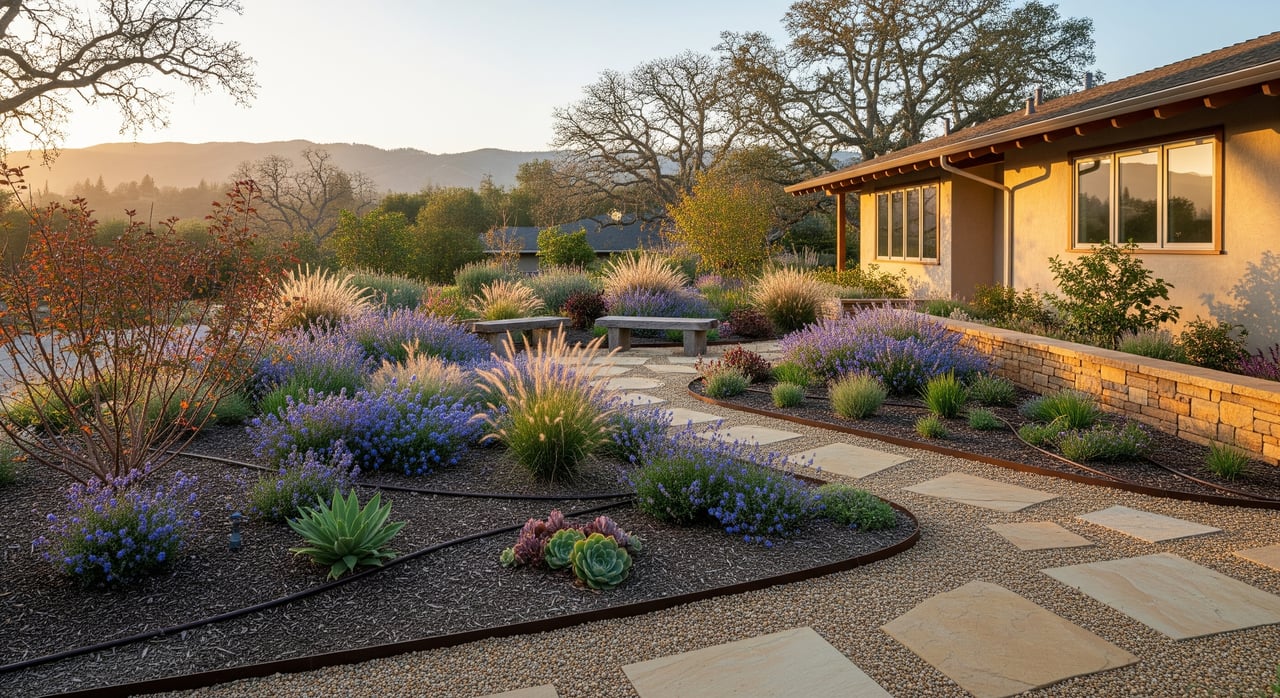
Thinking about replacing your thirsty lawn with a water‑smart garden, but not sure where to start or how to pay for it? You’re not alone. Many Contra Costa homeowners want lower water bills and better curb appeal without overspending. In this guide, you’ll learn how local lawn‑to‑garden rebates work, what to do first, and how to design a yard that looks great and saves water. Let’s dive in.
Start here: confirm your water provider
Before you pull a single blade of grass, confirm who provides water to your address. In Contra Costa County, eligibility depends on your water service provider, not your city or ZIP code. Some areas are served by East Bay Municipal Utility District, others by Contra Costa Water District, Diablo Water District, or a municipal utility.
Why provider matters
Each agency runs its own rebate programs, rules, and timelines. The same neighborhood could have different incentives on opposite sides of a street if service boundaries split the area. You want to know the right program so you don’t miss pre‑approval or use non‑eligible materials.
How to verify service
Look at your water bill or online account to see your provider name. If you don’t have a bill, call your city or search your address with the likely agencies. Once you confirm your provider, review their current rebate page, application steps, and deadlines. Programs change, so always rely on your provider’s latest instructions.
What rebates are available in Contra Costa
Many local agencies offer incentives to remove lawn and install drought‑smart landscaping. Common rebate types include turf removal, drip or micro‑irrigation upgrades, weather‑based irrigation controllers, and design help such as workshops or consultations.
Typical program options
- Turf removal or lawn‑to‑garden conversions paid per square foot.
- Drip and micro‑irrigation upgrades to replace spray sprinklers in planting beds.
- Weather‑based or ET smart controllers that adjust watering to conditions.
- Design support, workshops, and guidance materials to help plan your landscape.
- Sometimes plant discounts, mulch rebates, or rain‑barrel incentives.
Agencies you’ll see
- East Bay Municipal Utility District.
- Contra Costa Water District.
- Diablo Water District.
Each agency sets its own rules. Check current rebate amounts, qualifying products, minimum or maximum project size, whether artificial turf is eligible, and whether funds are first‑come, first‑served.
How the rebate process works
Most programs follow a similar sequence. If you stick to the steps, you reduce surprises and keep your project eligible from day one.
Step‑by‑step plan
- Confirm your water provider and your program. Read the full rules.
- Get pre‑approval if required. Many programs require approval before you remove turf or buy equipment.
- Plan your design. Decide where to use planting beds, pathways, and any remaining usable area.
- Choose installation approach. DIY is often allowed for turf removal, while some irrigation upgrades may need a licensed contractor.
- Collect documentation. Take clear before photos with measurements. Keep all invoices and receipts.
- Install the project. Follow plant coverage, mulch depth, and hardware requirements.
- Submit your claim. Include before and after photos, receipts or itemized contractor invoices, and any controller model numbers or zone details.
- Schedule inspections if needed. Some agencies verify completed work on site.
- Receive payment. Timing varies. Ask whether payment goes to you or directly to the contractor.
Eligibility and documentation
Expect to provide proof of water service, before and after photos, the measured square footage of turf removed, itemized invoices, and a signed application declaring that you removed turf in line with the rules and will not reinstall it. Irrigation rebates may require controller model numbers, photos of new equipment, and zone descriptions.
Restrictions to watch
- Pre‑approval: Removing turf before approval can void your rebate.
- Area minimums and caps: Some programs set a minimum square footage and a maximum per property.
- Planting and mulch: Programs often require specific plant coverage and mulch depth for water savings.
- Product lists: Smart controllers may need to meet WaterSense or ET standards.
- Location limits: Some parkways or engineered slopes have restrictions. Confirm with your city and HOA.
- Deadlines and funds: Rebates can be seasonal or limited. Submit on time and plan ahead.
Design your lawn‑to‑garden for curb appeal
A water‑wise yard can look polished, welcoming, and buyer‑friendly. The key is to make it intentional, not bare.
Principles that work
- Create structure: Use defined planting beds with clean edges and a focal point such as a path, boulder grouping, or low wall.
- Balance form and function: Place eye‑catching, low‑water plants where they’re visible from the street. Use larger shrubs as anchors and low groundcovers near walkways.
- Preserve usable space: Keep a small play area with native groundcovers or decomposed granite if needed.
- Layer for year‑round interest: Combine evergreen structure with perennials and ornamental grasses for seasonal color.
Climate‑smart plant ideas
Consider California natives and Mediterranean‑climate species suited to Contra Costa conditions:
- Shrubs and perennials: Manzanita, California lilac, sages, native buckwheat, and monkeyflower.
- Grasses: Deer grass for movement and texture.
- Trees for scale and seasonal interest: Western redbud, small‑scale coast live oak cultivars, or ornamental flowering trees where space allows.
- Mulch: Use organic mulch at recommended depths to conserve moisture and for a finished look.
- Lawn alternatives: Low‑water native groundcovers for a lawn‑like feel. Many programs exclude artificial turf, so confirm eligibility before you choose it.
Irrigation upgrades buyers notice
- Drip irrigation in planting beds with pressure regulation and pressure‑compensating emitters for even watering.
- Smart controllers that adjust schedules based on weather and plant needs.
- Thoughtful zoning by plant type and sun exposure to avoid overwatering.
- Clean, weed‑free beds and consistent mulch signal low maintenance and pride of ownership.
If you plan to sell soon
You can absolutely complete a conversion and still list on your timeline. Use your rebate to offset costs, then showcase the transformation in your marketing.
Timeline and marketing moves
- Start with pre‑approval so your project is eligible and documented.
- Schedule installation to allow for after photos and any required inspection.
- Feature the upgrade in your listing description with phrases like low maintenance and water savings.
- Provide buyers with a one‑page yard care sheet that includes watering tips, controller info, plant list, and any contractor warranty details.
ROI mindset
Rebates rarely cover all costs. Evaluate your project using three benefits: incentive dollars, lower long‑term water bills, and curb‑appeal value. A well‑designed yard shows beautifully in photos and helps buyers envision low‑maintenance living.
Pre‑project homeowner checklist
- Confirm your water service provider and find your rebate page.
- Verify pre‑approval requirements and do not remove turf until you’re approved.
- Measure your turf area and take clear before photos that show the house number and street.
- Read rules for plant coverage, mulch depth, and whether artificial turf is eligible.
- If hiring a contractor, request an itemized invoice with license number if required.
- Keep all receipts and store digital copies of photos and invoices.
- Check city and HOA rules for front‑yard changes, parkway standards, and stormwater or permeable surface requirements.
- Ask whether rebate payment goes to you or your contractor and the expected timing.
Common pitfalls and how to avoid them
- Removing turf before pre‑approval: Always get approval first when required.
- Using non‑eligible products: Confirm controller qualifications and any product lists.
- Skipping local approvals: Verify city and HOA rules before you install hardscape.
- Patchwork design: Plan a cohesive layout to enhance, not hurt, curb appeal.
- Poor documentation: Take thorough before and after photos and keep itemized invoices.
Where to learn more and verify details
Program rules and rebate amounts change. After you confirm your water provider, review the latest instructions on your agency’s official rebate page. Look for guidance on eligible plants, mulch requirements, irrigation product standards, pre‑approval steps, documentation, inspection, and payment timelines. You can also explore state and regional resources that cover water‑efficient design principles, Bay Area‑appropriate plant lists, and landscape maintenance best practices.
Ready to plan your project and maximize value?
If you want a simple plan that aligns with your timeline and goals, let’s talk through your options and ROI. Whether you’re improving your forever home or getting ready to list, we can map a step‑by‑step path from pre‑approval to polished curb appeal. Schedule a free consultation with CJ Salazar at Unknown Company to get started.
FAQs
What is a lawn‑to‑garden rebate in Contra Costa?
- It’s a utility incentive that helps you replace lawn with a water‑efficient landscape using approved plants, mulch, and irrigation upgrades.
How do I know if my address is eligible?
- Eligibility depends on your water provider, not your city; check the rebate page for whichever agency serves your water bill.
Do I need pre‑approval before removing turf?
- Many programs require pre‑approval; removing turf early can void your rebate, so confirm rules first.
Can I install the project myself and still get a rebate?
- DIY is often allowed for turf removal, while some irrigation upgrades or higher tiers may require a licensed contractor.
What documents do I need for my rebate claim?
- Expect before and after photos, turf measurements, proof of service address, and itemized receipts or contractor invoices.
Are smart irrigation controllers part of these programs?
- Many agencies offer separate rebates for weather‑based controllers and may require specific certifications to qualify.
Will artificial turf qualify for a lawn‑to‑garden rebate?
- Some programs exclude artificial turf; always review your agency’s eligibility rules before purchasing materials.
How long does it take to get paid after installation?
- Timelines vary by agency and funding cycles; plan for anything from a few weeks to a few months and ask your provider about current timing.