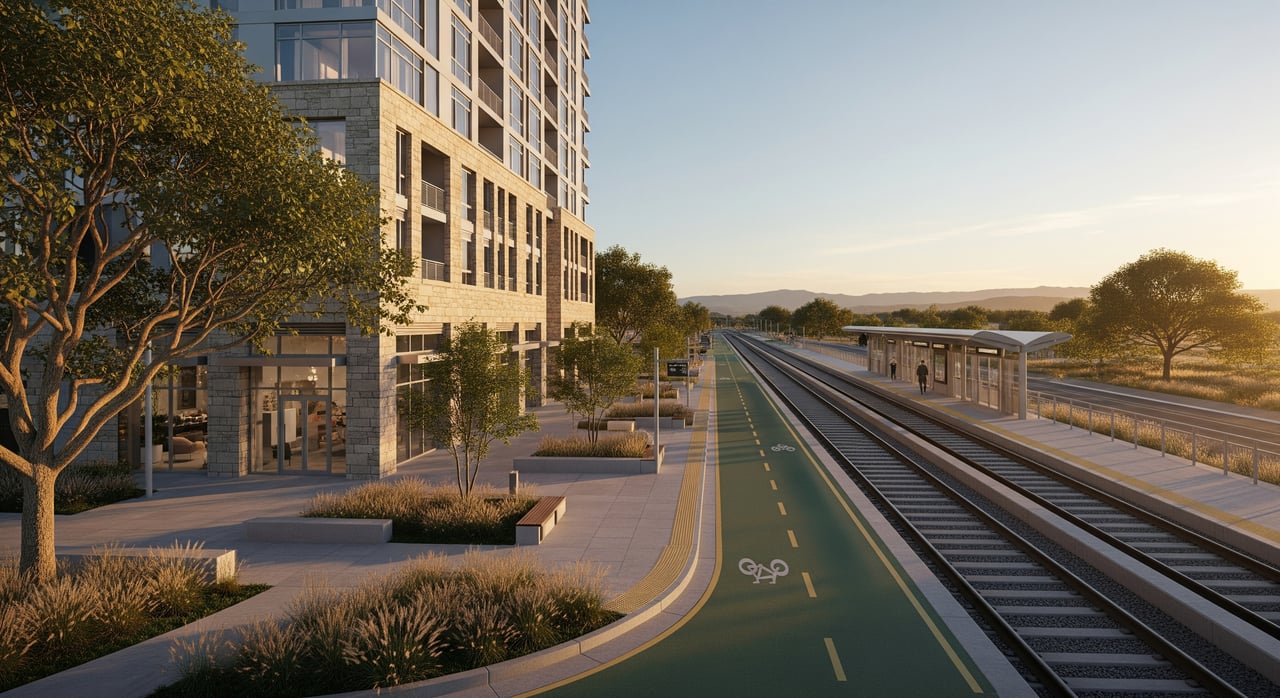
Want to know how much being a short walk from BART or the Richmond ferry can move your price tag? You are not alone. In Contra Costa County, transit access is a real selling point for many buyers, yet the premium depends on the station, distance, and local plans. This guide shows you what the research says, how it plays out across the county, and a simple pricing playbook you can use with confidence. Let’s dive in.
Why transit proximity matters
BART, eBART, and the Richmond ferry shape commute options and daily life in Contra Costa. Stations like Richmond, El Cerrito del Norte, Walnut Creek, Pleasant Hill/Contra Costa Centre, Concord, Pittsburg/Bay Point, Pittsburg Center, and Antioch anchor the network, and each has unique service patterns and plans that influence demand. You can review county station planning and modernization updates on BART’s Contra Costa planning pages for context and near-term changes that may impact value (BART Contra Costa planning overview).
eBART extends rail access to Pittsburg and Antioch, though it operates a different vehicle type and service model than core BART lines (BART to Antioch project). On the water, the Richmond ferry provides a reliable commute option that can lift demand for nearby waterfront homes (Richmond ferry route). Looking ahead, Valley Link could reshape East County and Tri‑Valley commutes, which is why future project milestones are worth tracking when you time a sale or make an offer (Valley Link project).
County and city transportation plans are also early indicators. Where you see funding and zoning support for transit-oriented development, you often see stronger buyer interest over time (CCTA Countywide Transportation Plan).
What the research says about price
Across many studies, homes very close to frequent rail stations tend to sell for more, with size and consistency varying by context. A large meta-analysis found an average price gap around 4.2 percent for residences within a quarter mile of rail, with values increasing as you move closer in that range (rail proximity meta-analysis). Other summaries show that single-family homes often see smaller, but still measurable, gains in the low single digits near high-capacity rail (single-family findings summary).
Results depend on service quality, travel time to job centers, walkability, and station-area amenities. In some cases, negative externalities like noise or parking pressure can offset premiums, and certain premiums may fade if the surrounding area does not improve alongside transit access (context and attenuation research).
How effects vary across Contra Costa
West County: Richmond and El Cerrito
Buyers value direct rail to San Francisco and Oakland, plus the Richmond ferry as an alternative. Waterfront areas and walkable station districts can draw stronger interest when schedules are reliable and amenities are growing (Richmond ferry service). Station-area plans and public investment can support higher demand, so monitor planning updates for Richmond and El Cerrito.
Central County: Walnut Creek, Pleasant Hill, Concord
High-ridership stations and active station modernization often support stronger premiums for close-in homes and condos. Walnut Creek and Pleasant Hill/Contra Costa Centre are examples where transit-oriented amenities and walkability add appeal (Walnut Creek planning page). Station-area development and retail can enhance buyer demand beyond raw commute times.
East County: Pittsburg and Antioch
eBART improves access for Pittsburg and Antioch, though research and practice suggest these extensions may show smaller per-home premiums than core heavy rail nodes. Keep an eye on Valley Link and other regional rail improvements for future upside potential, and verify any assumed premium with hyperlocal comps (BART to Antioch project; Valley Link project).
A simple pricing playbook for sellers
Use this checklist to set expectations and fine-tune your list price:
- Measure walk time, not just distance. Map the safest, most direct walking route to the nearest BART or ferry, then time it.
- Confirm service quality. Note frequency and typical peak travel times to common job centers. Start with BART’s station data and schedules (Walnut Creek station info).
- Check station plans and nearby projects. Look for modernization, access upgrades, and TOD that add amenities buyers love (BART Contra Costa planning; Walnut Creek planning page).
- Segment comps by walk-shed. Compare sales inside 0–5 minutes, 5–15 minutes, and 15–30 minutes from the station or ferry.
- Balance premiums with any offsets. If noise, parking pressure, or construction is a factor, price with that in mind (context and attenuation research).
As a starting point, research supports a conservative, evidence-based range for single-family homes very close to strong transit and amenities. Within about a quarter mile of frequent heavy rail or a ferry terminal, consider a premium in the range of about 3 to 8 percent when local comps support it, with 0.25 to 0.5 miles often closer to 0 to 3 percent. Always verify with recent, truly comparable sales (rail proximity meta-analysis).
Smart strategies for buyers near transit
- Define your commute targets first. Compare actual travel times and schedules for your most likely routes. BART and ferry pages provide current service info (Contra Costa BART planning overview; Richmond ferry route).
- Weigh the premium against daily benefits. A short walk to reliable transit can pay off in time saved and flexibility, which supports value even in changing markets.
- Inspect for tradeoffs. Visit at different times to note train noise, parking patterns, and pedestrian access.
- Consider credible future projects as upside. If Valley Link or a station upgrade is far along in approvals and funding, it can support long-term demand, but price today for what exists now (Valley Link project; project timeline news).
Timing and negotiation tips
In softer market periods, lean conservative on top-end premiums and use walk-shed comps to protect your days on market. For sellers, lead with clear commute facts, verifiable walk times, and nearby amenities in your listing materials. For buyers, put a number on commute time savings and use any service or access drawbacks to support negotiation. Station modernization and TOD can be compelling value signals when you document them with official planning pages (Walnut Creek planning page; Concord station updates).
Ready to build a pricing or purchase plan tailored to your exact block and station? Reach out to Cj Salazar Real Estate for a service-first strategy that puts your goals first.
FAQs
How does BART proximity affect home prices in Contra Costa?
- Meta-analyses show homes within a quarter mile of rail often see modest premiums in the low single digits, with the effect diminishing as distance increases. Always confirm with local comps (rail proximity meta-analysis; single-family findings).
Do Antioch and Pittsburg eBART areas see the same premium?
- eBART improves access, but research and practice indicate extensions like this can see smaller per-home premiums than core heavy rail stations. Validate any uplift with hyperlocal comps and service frequency data (BART to Antioch project).
Will future projects like Valley Link boost values now?
- Future rail can raise interest when milestones and funding are credible, yet pricing today should reflect current access. Treat future benefits as potential upside and document the project stage (Valley Link project).
What should sellers highlight when listing near transit?
- Lead with verified walk times, peak travel times, frequency, nearby retail, and any station upgrades or TOD. Address noise or parking concerns directly and support your price with comps in the same walk-shed (Walnut Creek planning page).