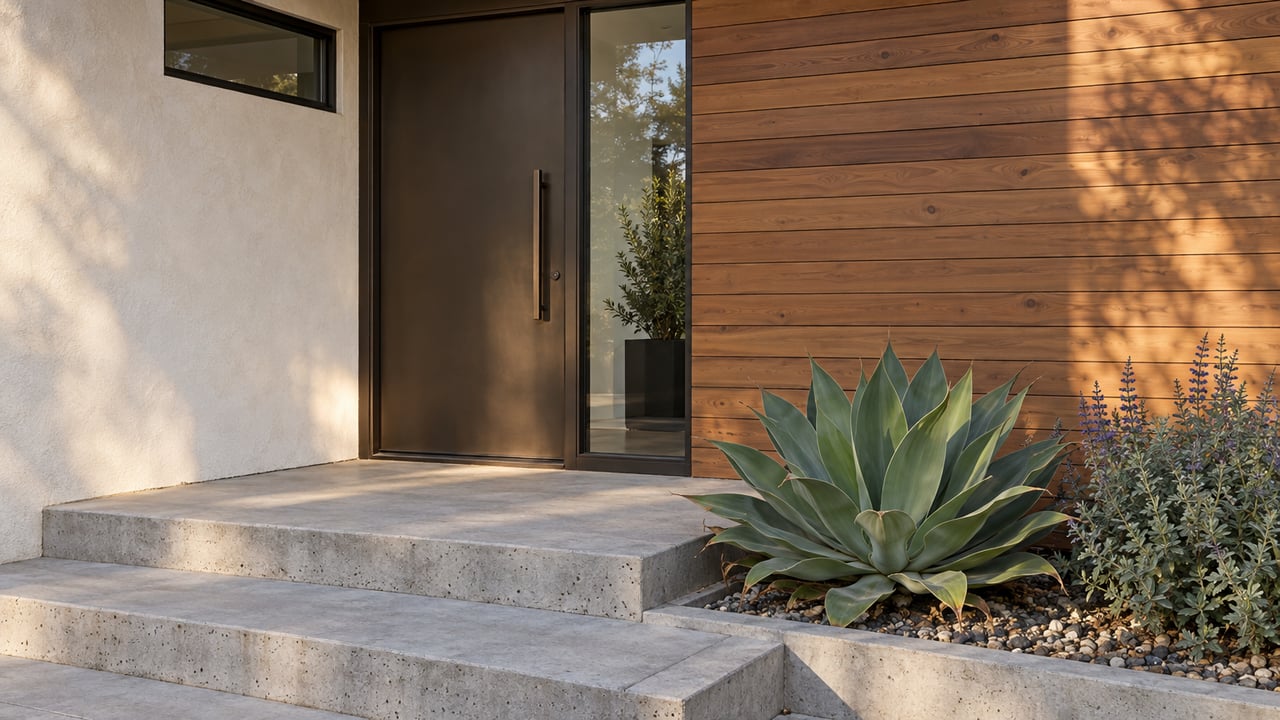
A brand-new single-family home on Communications Hill in San Jose starts around $2 million. That's the number on the listing. It isn't the number a buyer actually pays.
KB Home just opened its first single-family release on the hill, after years when new construction there was almost entirely townhomes and condos. The lots facing the downtown skyline carry the steepest premiums, and buyers who have watched this hillside neighborhood for years are moving on the early phases. The $2 million figure is real. So is a second number that never shows up on the listing page: the Mello-Roos special tax that comes attached to nearly every home built in a master-planned Santa Clara County community since the early 1980s.
That second number is the real subject here, because it changes what "the same price" means once you're comparing two homes in this county.
What a Mello-Roos Tax Actually Funds
Communications Hill has been eyed for development since the 1980s, and the San Jose City Council approved its Specific Plan back in 1992. The community rising now, roughly 2,200 homes folded into the city's Envision San José 2040 framework, wasn't cheap to build out. A September 2026 explainer on the project lays out just how long this buildout has been in motion. Roads, sewer lines, parks and school capacity on a 332-acre hillside parcel require upfront capital a builder can't recover through the sale price alone. California's answer, since 1982, has been the Community Facilities District: a mechanism that lets a city or school district issue bonds against future property tax revenue, then bill homeowners a special tax each year to pay them off. Everyone calls it Mello-Roos, after the two legislators who wrote the law.
That mechanism explains why some of the county's most recognizable master-planned communities carry it while most older neighborhoods around them don't. Santa Clara itself makes the point well. The city was largely built out before 1982, so most of its neighborhoods never touched the mechanism. Rivermark, the 152-acre master-planned community built starting in the early 2000s on the former Agnews Developmental Center site, is the exception inside the same city limits. Buy in Rivermark and you're paying toward infrastructure that older Santa Clara never needed to finance this way. Buy a few blocks away in a pre-1982 neighborhood and you're not.
The Number the Listing Doesn't Show
Here's where the math starts to matter. Santa Clara County's baseline property tax, under Proposition 13, is 1 percent of assessed value. Add the routine voter-approved bonds that apply almost everywhere, and most established neighborhoods land at an effective rate of roughly 1.10 to 1.25 percent. Add a Community Facilities District on top of that, and the same math climbs to somewhere between 1.4 and 1.8 percent depending on the district and what it was formed to fund.
On paper that gap looks small. In dollars, in a county where home values routinely sit well north of $1.5 million, it isn't. Take a $1.8 million purchase. At a 1.15 percent effective rate, the annual property tax bill runs about $20,700. At 1.50 percent, the same purchase price produces a bill closer to $27,000. That's roughly $6,300 a year, or $525 a month, before either buyer has made a single mortgage payment. Carried across a 30-year loan, that gap adds up to more than $185,000 in additional carrying cost on what was, on the listing sheet, an identical price.
| Established, no CFD | Master-planned, with CFD | |
|---|---|---|
| Effective tax rate | ~1.10% to 1.25% | ~1.4% to 1.8% |
| Annual tax on $1.8M purchase | ~$20,700 | ~$27,000 |
| Monthly difference | n/a | ~$525 |
| 30-year carrying cost difference | n/a | ~$185,000+ |
That's not a rounding error. It's the reason two homes with the same asking price can carry meaningfully different monthly payments once escrow actually closes.
How Proposition 13 Changes the Comparison
None of this makes the older, non-CFD side of the county automatically the cheaper choice. Proposition 13 caps annual increases at 2 percent, but only from the year a property was purchased, and that clock resets every time a home changes hands. A Sunnyvale homeowner who bought in 1998 for $450,000 is paying around $6,200 a year in property tax in 2026. A buyer purchasing a comparable Sunnyvale home today starts that same 2 percent clock from a base assessed value many multiples higher. The long-term Sunnyvale owner and the new Rivermark or Communications Hill buyer are both living with a tax mechanism most listing sheets never mention out loud. One is built around a purchase date. The other is built around a parcel's district.
Where the Pattern Concentrates
Across Santa Clara County, Community Facilities Districts cluster in predictable places: Milpitas, North San Jose, and the newer pockets of southern Santa Clara, alongside master-planned hillside and infill projects like Communications Hill and parts of San Jose's Evergreen area. Annual special tax amounts in these districts run roughly $1,500 to $7,500 a year, depending on what the district was formed to fund and how large the parcel is. A CFD built around one subdivision's roads and parks tends to sit at the lower end. A high-infrastructure district covering hillside grading, extended utility lines and new school capacity, the kind Communications Hill's continued buildout will likely require, tends to sit at the higher end.
The bond terms behind these taxes typically run 20 to 40 years from formation. A home in a CFD formed in the early 2000s might be five years from its special tax dropping off the bill entirely. A home in a district tied to Communications Hill's current construction phase is much closer to the start of that clock than the end of it. Both facts are worth knowing before an offer goes in, not after.
The Disclosure Buyers Skim
California law requires sellers in a Mello-Roos district to hand buyers a Notice of Special Tax within 14 days of opening escrow. That notice has to state the maximum annual tax, the current amount actually being charged, and the conditions under which it can increase. If a seller misses that window, the buyer gets the right to walk away from the purchase agreement within three days of finally receiving it. It's one of the few disclosure requirements in California real estate that comes with a built-in escape hatch, which tells you something about how often lawmakers expected buyers to miss it on their own.
Confirming whether a specific Santa Clara County property carries a CFD, and how much, doesn't take guesswork. Three sources settle it before an offer goes in:
- The seller's preliminary title report, which lists any recorded special tax lien
- The most recent property tax bill, which itemizes every special assessment as its own line
- The Santa Clara County Assessor's parcel lookup, searchable by the property's Assessor's Parcel Number, which shows the current tax detail directly
Pulling these before touring, rather than after falling for a floor plan, is the only way to compare two listings at the same price and know which one actually costs less to own.
What This Means Right Now
Communications Hill's next phase isn't slowing down. The city's urban village plan calls for roughly 2,200 homes total on the hill, and the community is still filling in single-family lots that didn't exist when earlier phases were dominated by condos and townhomes. Every one of those new homes will carry a special tax tied to whatever district financed the roads, parks and utilities underneath it, and that tax will still be on the bill decades from now, long after this month's $2 million asking price is a line in the county's sale records.
None of this is a reason to avoid Rivermark, Communications Hill, or any other CFD community in Santa Clara County. It's a reason to ask a different question than the one most buyers ask. Not what the list price says, but what that specific parcel's tax bill actually says, compared against a similarly priced home a few miles away that doesn't carry the same district.
If you're weighing a new-construction listing in Santa Clara County against something older and want the real, parcel-level tax comparison before you write an offer, Cj Salazar can pull the assessor detail and preliminary title numbers on both and walk you through what the difference actually costs over the life of your loan.